

Educational Stages
Intermediate & Secondary School
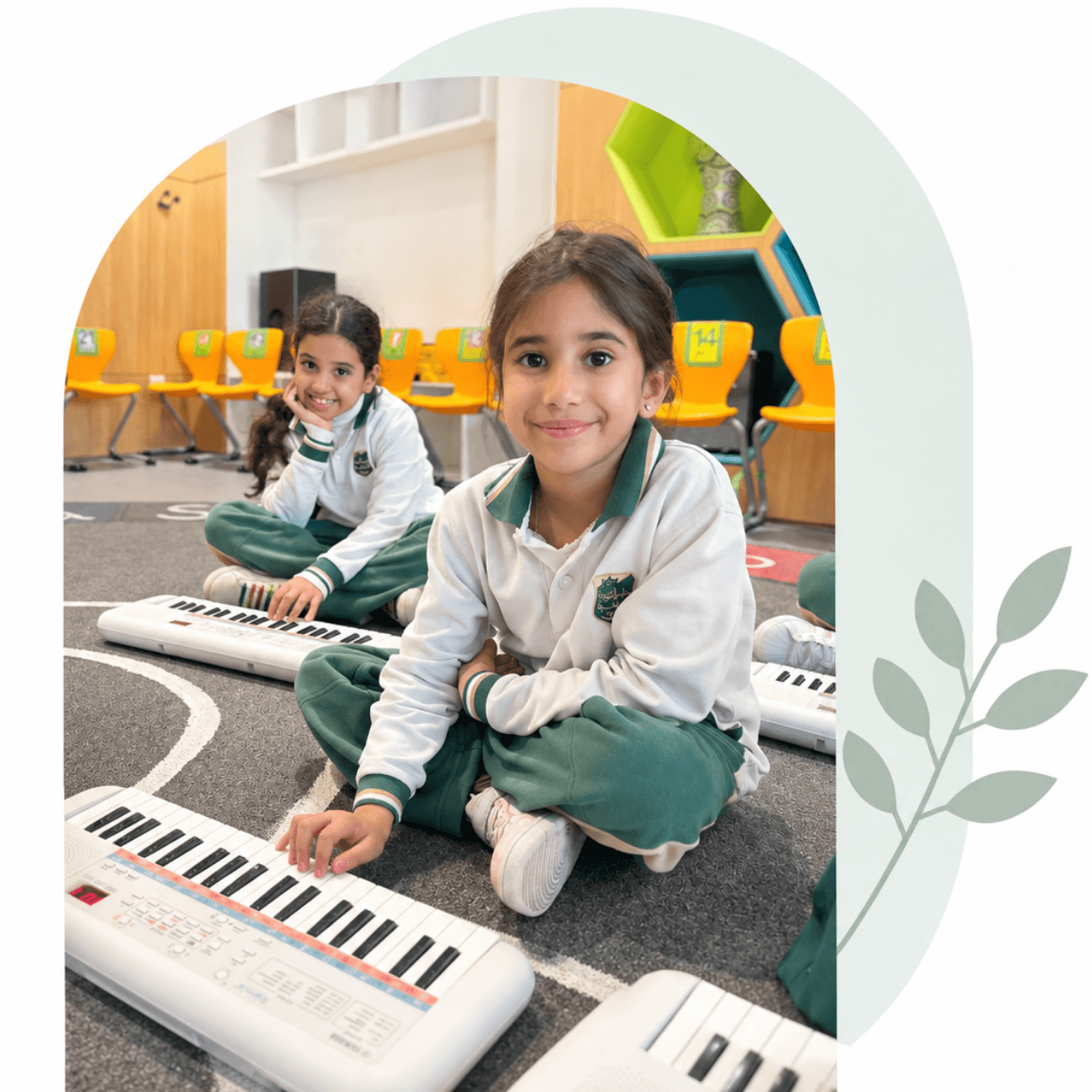
A vital bridge in the learning journey — forming a generation ready to excel amid rapid progress, with self-esteem, positivity and a love of independent learning.
About the stage
A sensitive bridge between ages — built on solid foundations.
The section was formed with its material resources and qualified human cadres, committed to development plans that embrace our sons and daughters — converting their immense energy into positivity, self-esteem and a love of self-directed learning. That is our daily concern, and what we aspire to plant in every student.
Bridge between stages
Self-directed learning
Qualified faculty
Campus expectations
A clear path through the Intermediate day
Students, families and staff share one framework: arrive ready to learn, keep devices within policy, stay focused in class, and leave with clear accountability through Noor and parent communication.
01
Arrive ready
02
Devices compliant
03
Focused learning
04
Accountable close
Student attendance
Attendance provisions apply across general education. The school records absence and lateness daily in Noor, notifies families the same day, and works preventively so learning is not interrupted.
01
Daily recording (Noor)
The school records student absence or lateness every day and documents it through the approved electronic system (Noor).
02
Same-day parent notice
Families are notified the same day — including by electronic means — when a student is absent or late. Notices are logged in attendance records and Noor.
03
Commitment & prevention
Parents sign the school commitment form. The school takes continuous educational preventive measures to avoid absence and lateness, and reviews each case daily.

Attendance framework
Provisions that keep Middle & Secondary on track
Scope
Applies to all general education
Committee
School discipline committee
Prevention
Preventive educational measures
Grades
Attendance mark on report card
Daily log
Absence logged in Noor
Notify
Same-day family notice
Commitment
Parent commitment form
Review
Daily review of each case
Remedy
Ongoing educational remedies
Honour
Excellent attendance awards
We work as one educational and administrative team with families — excellence depends on applying these attendance provisions together.
TIS - Intermediate & Secondary
Framework details
Learn more about attendance provisions
Open any item below for a short description of the general attendance framework.
Attendance provisions apply to all students in general education stages.
A school discipline committee is formed under the Education Department according to the powers granted to the Education Director.
School administration takes continuous preventive educational measures to avoid student absence or lateness.
The attendance grade is recorded in a dedicated field on the grade report card and is an integral part of any grade statement.
Absence and lateness are recorded daily and documented through the approved electronic programme (Noor).
The school notifies the parent of an absent or late student on the same day by all available means, including electronic channels, and documents the notice.
The school ensures the parent signs the school commitment form.
Each absence or lateness is reviewed daily. If it is not an accepted excused case, marks are deducted. Continuous educational remedies are applied, and students with excellent attendance are honoured during the term.
Device policies
Mobile, tablet and computer rules
Switch tabs to read each policy clearly — built for quick scanning by students and parents.
From our belief in harmony across the school community — so high-quality teaching and learning fully benefit every student — we clarify the rules for mobile phones. We expect strong student response and parent support.
- Despite the importance of mobiles for daily communication, student use of mobile phones inside the school campus is strictly prohibited — they are among the most serious distractions to focus.
- In line with the ban on photography (a violation that may lead to legal accountability), using a mobile phone or any tool to take photos — by students or visitors of any category — is prohibited.
Tarbiyah Islamiyah Schools expect all students to follow tablet and computer policies as effective tools for blended digital learning that supports curriculum goals and twenty-first-century skills.
In case of violation, school procedures apply. Students must also:
- Bring devices fully charged every day.
- Not activate non-educational apps during the school day.
- Not use devices without teacher direction and supervision.
Photography with any device remains prohibited for students and visitors.
Digital learning
Tablets, computers and focus on campus
How devices support blended learning — and how mobiles are kept out of the school day.
Tablets and computers are expected to be used as effective tools for blended digital learning that supports curriculum goals and twenty-first-century skills.
Students must bring devices fully charged every school day.
Non-educational applications must not be activated during the school day.
Devices must not be used without teacher direction and supervision.
Despite the importance of mobile phones for daily communication, their use by students inside the school campus is strictly prohibited — they are among the most serious distractions to focus and learning.
Excused absence
Cases accepted with supporting proof
The following absences and leave requests are accepted when the required evidence is provided.
- Medical leave (approved on the Sehhaty platform)
- Death of a relative up to the fourth degree (death certificate)
- Appointment with official authorities (appointment notice)
- Accepted escort / accompaniment notice
- Cases decided under child-protection regulations
- Visit to the Student Care Unit (report from the Education Department Student Care Unit)
- Health accompaniment for a first-degree relative (administration may accept health accompaniment for relatives up to the fourth degree when justified)
Mark deductions
How unexcused absence affects grades
Open each step to see how absence is recorded, communicated and reflected in attendance and participation marks.
Absence is recorded by the teacher in every period (teacher records / approved platforms). Daily teacher recording is reflected in the school account (Noor — Madrasati platform).
Notify the parent of a full-day absence by all available means, including electronic channels. Also notify the parent if the student misses any period during the school day.
The student and parent have five days after the absence to submit an accepted excuse; otherwise it is treated as unexcused. An excuse may be accepted after that window if justified, provided it is submitted before the end of the term in which the absence occurred.
Accepted excused absences are reflected in Noor after approval by the school principal.
One attendance mark is deducted for each school day of absence without an accepted excuse.
A student is not granted a full mark for participation and interaction (including classroom activities and applications) in a subject they missed without an accepted excuse.
A student absent without an accepted excuse is not re-sat for short tests and is not granted compensatory marks for participation and interaction.
Hayat programme
Student counselling services
The Hayat (student counselling) programme supports wellbeing, behaviour, academic follow-up and partnership with families.
Clarify the aims of guidance and counselling for the school community, all staff and parents.
Help each student discover their abilities, aptitudes, interests and skills — and understand challenges of any kind.
Build the capacity to change for the better and adapt to unexpected circumstances.
Support psychological wellbeing and train students to solve problems independently.
Develop the ability to consult, dialogue and express opinions freely and responsibly.
Deliver counselling programmes that support all learners.
Monitor academic performance continuously with subject teachers and heads of department, and identify cases of academic difficulty early.
Follow students who show behavioural concerns, understand each case, and set preventive and remedial plans.
Support students who are academically behind, study the causes, and take steps to raise their achievement.
Follow health cases and provide appropriate services with the school doctor.
Encourage high achievers, creative students and those with talents and skills to keep growing in excellence.
Involve students in decisions by promoting a culture of dialogue and activating student advisory councils.
Communicate effectively with parents of students facing social or academic concerns, and offer guidance and solutions.
Connect students to their community to develop positive social character.
Internal policies
Shared rules that protect focus and fairness
01
Mobile phones banned
Student use of mobile phones inside the school campus is strictly prohibited. Phones are a major distraction from focused learning.
02
No photography
Photography is prohibited. Using a mobile phone or any tool to take photos — by students or visitors of any category — is not allowed and may carry legal accountability.
03
Tablet & computer use
Devices support blended learning. Bring them charged daily, use educational apps only during the day, and follow teacher direction at all times.
04
Attendance integrity
Unexcused absence leads to attendance-mark deductions and limits on participation credits. Accepted excuses require proof (for example Sehhaty medical leave).
More internal policies
Additional expectations for families
Why device rules matter, repeated unexcused absence, and proof required for excused leave.
While educational services continue without interruption, students with repeated unexcused absence (consecutive or separate days) are handled under the school’s approved attendance procedures during the academic year.
Accepted excused absences require supporting proof (medical leave via Sehhaty, death certificate, official appointment notice, escort notice, child-protection provisions, or a Student Care Unit report, as applicable).
Accountability & partnership
Clear follow-up that keeps learning on track.
Attendance outcomes are documented, shared with families, and linked to marks, remedies and recognition — so every day of learning counts.
01
Same-day communication
Parents are notified the same day when a student is absent or late, using available channels including electronic means.
02
Documented in Noor
Absence, lateness and related notices are documented in school records and through the approved Noor system (and related platforms such as Madrasati where applicable).
03
Five-day excuse window
After an absence, students and parents have five days to submit an accepted excuse; otherwise it is treated as unexcused. Later excuses may be accepted with justification, but not beyond the end of the term of the absence.
04
Honouring excellent attendance
The school honours students with distinguished attendance during the term, alongside continuous educational remedies for those who struggle with punctuality.